
Collaborative Development of Outdoor Lighting and the Urban Night-time Economy

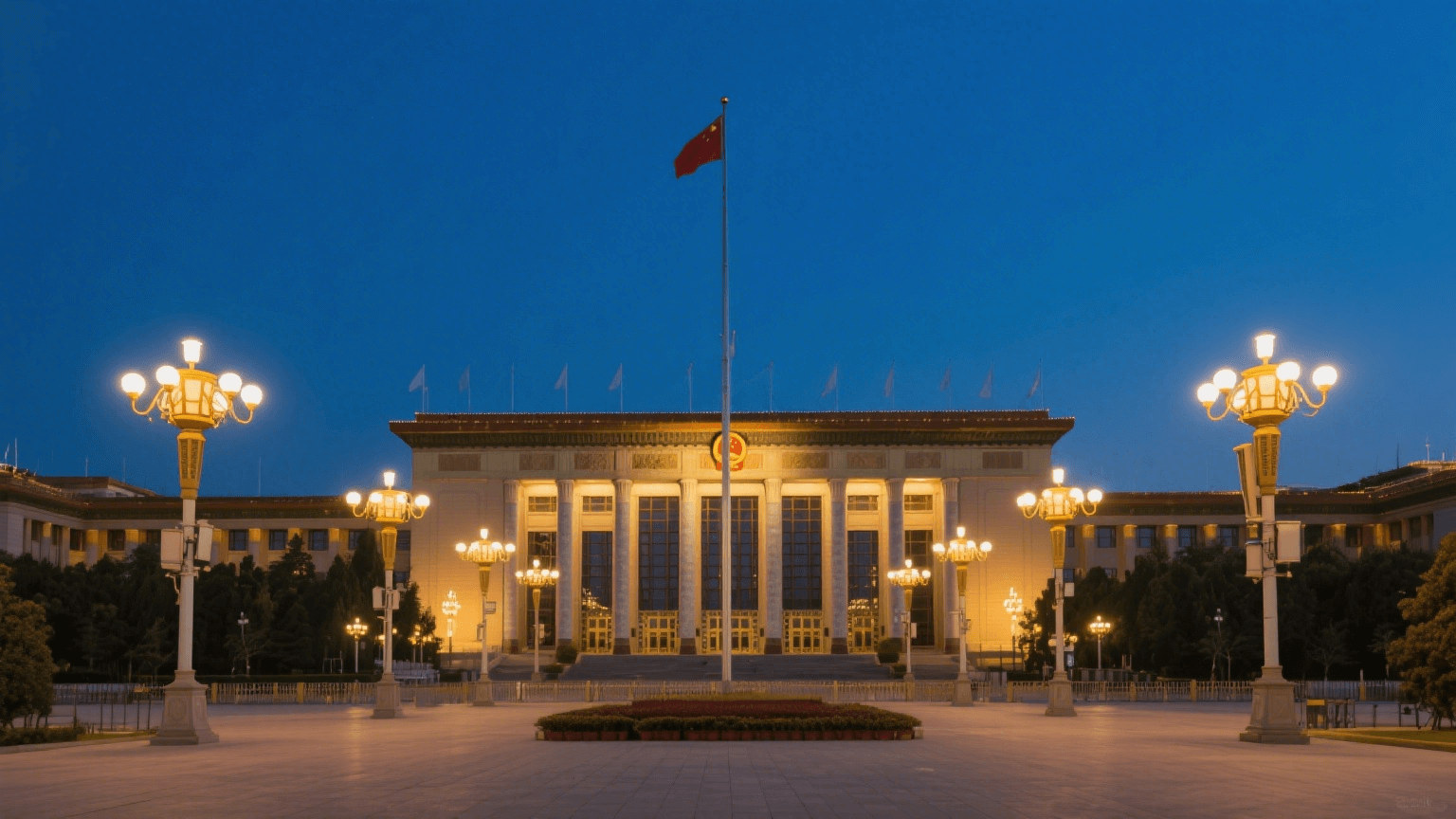
The urban night-time economy has become an important driver of economic growth and social vitality in many cities. Outdoor lighting plays a crucial role in supporting and enhancing this economy.
Well-designed outdoor lighting can create a safe and inviting atmosphere for night-time activities. In commercial areas, adequate lighting can attract shoppers and diners, extending the operating hours of businesses and boosting sales. For example, brightly lit streets and shopping malls make people feel more comfortable and secure when shopping or dining at night. This, in turn, encourages more people to venture out and participate in night-time economic activities.
In addition to commercial areas, outdoor lighting also benefits the entertainment and tourism sectors. Lighting installations in parks, theaters, and cultural venues can create unique and memorable experiences for visitors. For instance, a well-lit park with music and light shows can become a popular tourist attraction, drawing visitors from both within and outside the city. This not only generates revenue for local businesses but also promotes the city’s image as a vibrant and exciting destination.
Moreover, outdoor lighting can improve the connectivity and accessibility of night-time destinations. By illuminating pedestrian walkways, bike lanes, and public transportation stops, lighting makes it easier and safer for people to move around the city at night. This encourages more people to explore different parts of the city and participate in various night-time activities, further stimulating the night-time economy.
Another way outdoor lighting supports the night-time economy is by creating job opportunities. The design, installation, and maintenance of outdoor lighting systems require a skilled workforce. As the demand for night-time lighting increases, so does the need for lighting professionals, electricians, and technicians. This creates employment opportunities and contributes to the local economy.
Furthermore, government policies and initiatives are playing a key role in promoting the collaborative development of outdoor lighting and the night-time economy. Many cities are investing in lighting infrastructure upgrades and offering incentives to businesses to improve their night-time lighting. For example, some cities provide grants or tax breaks to businesses that install energy-efficient lighting systems or create unique lighting displays. These policies encourage businesses to participate in the night-time economy and contribute to the overall development of the city.