
Exploring New Paths for Sustainable Development in the Outdoor Lighting Industry

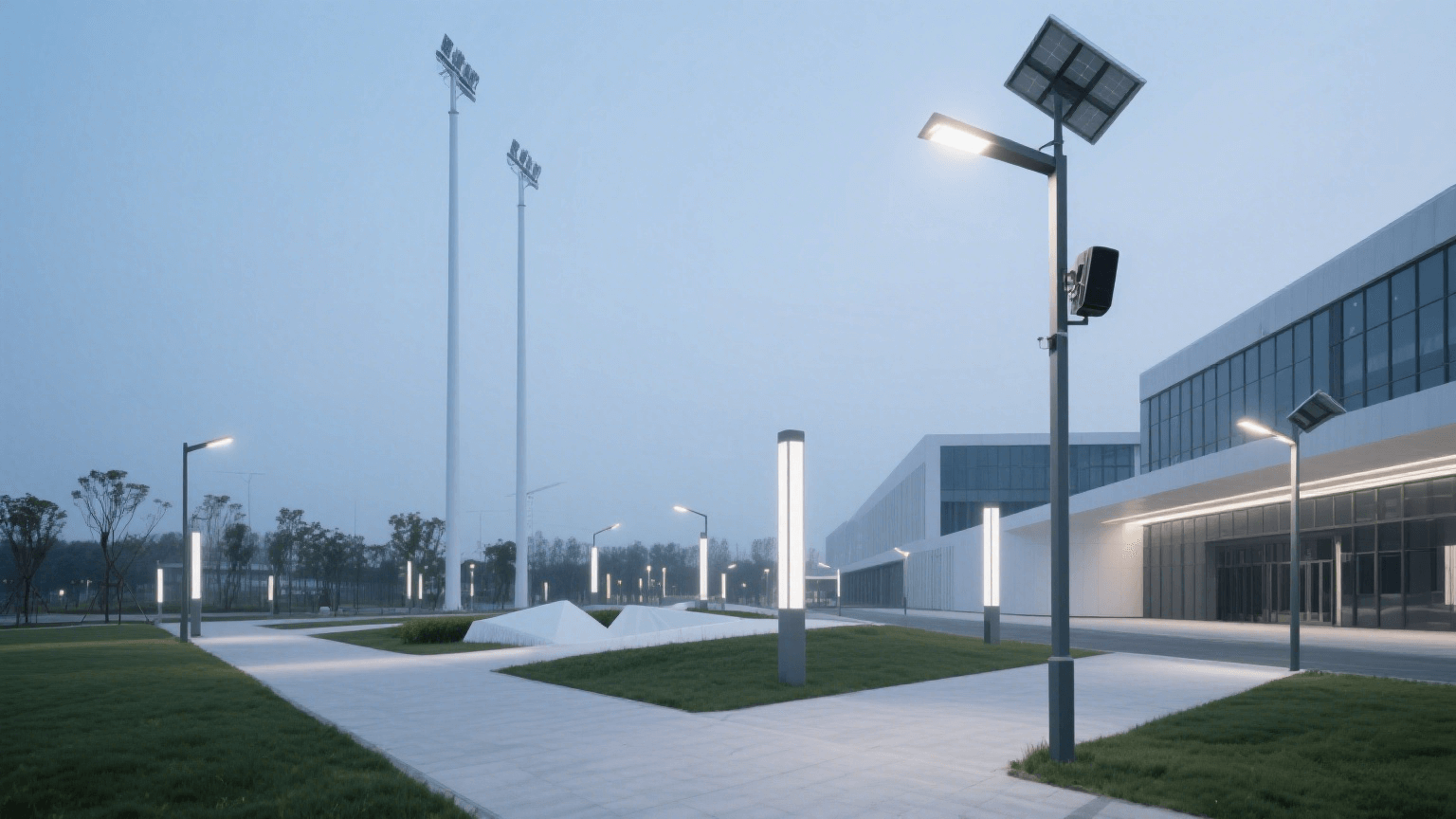
In the context of global efforts towards environmental protection and sustainable development, the outdoor lighting industry is actively seeking new paths to align with these goals. The traditional outdoor lighting sector has long been associated with high energy consumption and potential environmental impacts during production and disposal.
One of the key areas of focus is the development and adoption of renewable energy sources. Many regions are encouraging the use of solar energy in outdoor lighting systems. Solar-powered lighting solutions can operate independently of the traditional power grid, reducing reliance on fossil fuels and lowering carbon emissions. However, there are challenges to overcome, such as the intermittent nature of solar energy and the need for efficient energy storage systems. Researchers and manufacturers are working on improving battery technology to store excess energy generated during the day for use at night, ensuring a stable and reliable lighting supply.
Another important aspect is the promotion of circular economy principles in the industry. This involves designing lighting products with recyclability in mind. Manufacturers are exploring the use of materials that are easier to recycle and reusing components from discarded lighting fixtures. For example, some companies are developing modular lighting designs that allow for easy replacement of damaged or outdated parts, rather than disposing of the entire fixture. This not only reduces waste but also lowers production costs in the long run.
In addition, the industry is also paying more attention to the entire lifecycle of outdoor lighting products. From raw material extraction to manufacturing, installation, operation, and end-of-life disposal, each stage is being evaluated for its environmental impact. Life cycle assessments are becoming more common, helping companies identify areas for improvement and make more sustainable choices. For instance, choosing suppliers that adhere to environmentally friendly practices and reducing transportation emissions through optimized logistics are some of the strategies being implemented.
Furthermore, government policies and regulations are playing a crucial role in driving the sustainable development of the outdoor lighting industry. Many countries have introduced energy efficiency standards and incentives for the adoption of green lighting technologies. These policies encourage manufacturers to innovate and produce more energy-efficient products, while also prompting end-users to opt for sustainable lighting solutions. As a result, the market for sustainable outdoor lighting is growing, creating new business opportunities and fostering healthy competition among companies to develop better and more environmentally friendly products.