
Outdoor Lighting Design Contributing to the Preservation of Urban Culture

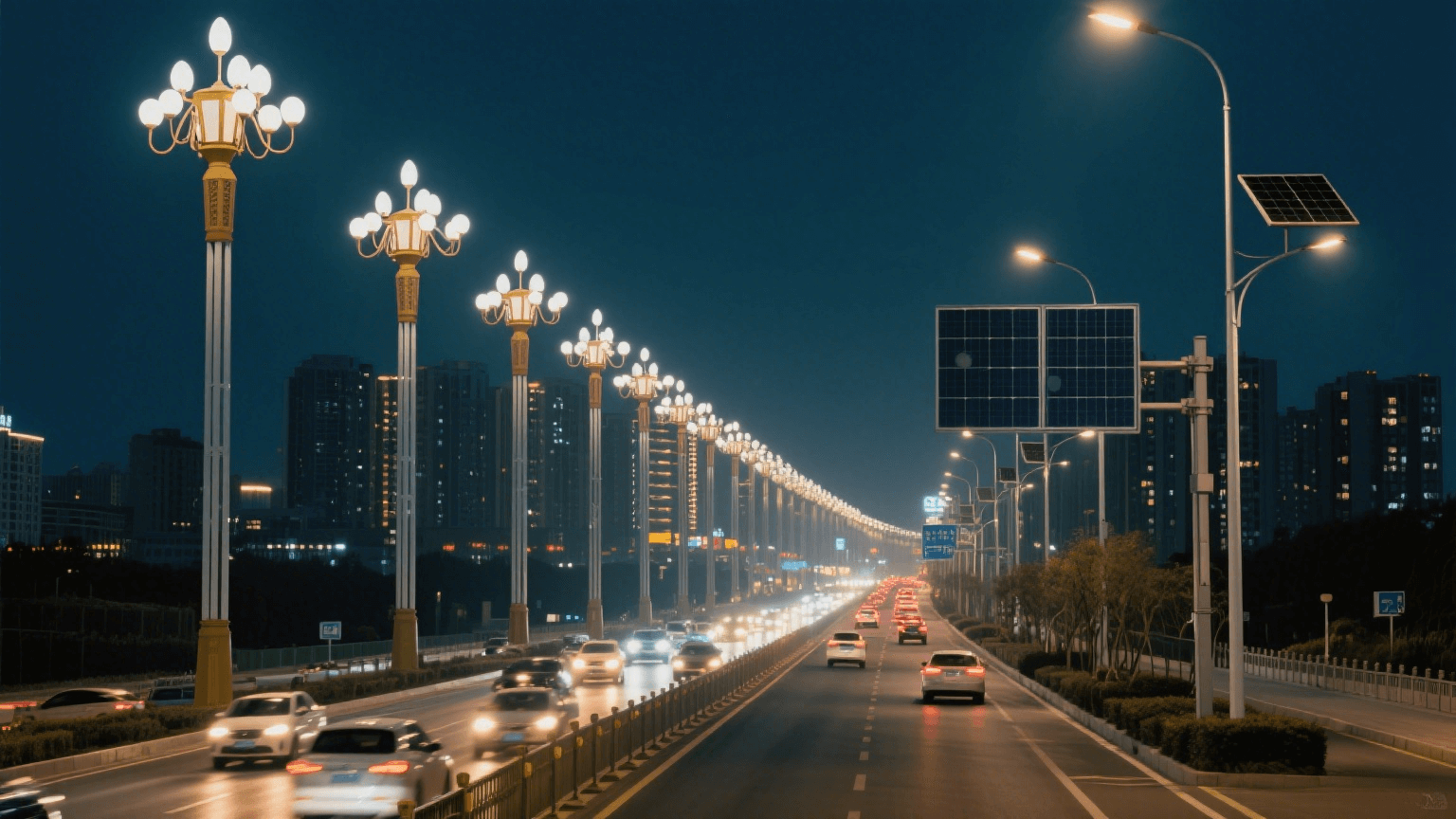
Urban culture is a precious asset that reflects a city’s history, traditions, and values. Outdoor lighting design has emerged as a powerful tool to help preserve and showcase this cultural heritage.
In historical districts, outdoor lighting can be used to highlight architectural features and landmarks. By carefully selecting the color temperature, intensity, and direction of light, designers can create a unique atmosphere that enhances the beauty and significance of these structures. For example, warm white light can be used to illuminate ancient buildings, giving them a timeless and inviting appearance. This not only attracts tourists but also helps local residents connect with their cultural roots.
Moreover, outdoor lighting can be integrated with cultural events and festivals. During special occasions, lighting installations can be designed to reflect the theme of the event, creating a vibrant and immersive experience for participants. For instance, during a traditional music festival, lighting effects can be synchronized with the rhythm of the music, adding an extra layer of excitement and cultural richness.
Another way outdoor lighting design contributes to urban culture preservation is by creating public spaces that encourage cultural interaction. Well-lit parks, squares, and pedestrian walkways become gathering places for people to engage in cultural activities, such as outdoor performances, art exhibitions, and community events. These spaces not only promote cultural exchange but also enhance the quality of life for residents.
In addition, lighting designers are increasingly collaborating with cultural experts and historians to ensure that lighting projects are culturally sensitive and accurate. They study the historical context of a place and incorporate elements that are relevant to its cultural identity. This approach helps to avoid cultural misappropriation and ensures that the lighting design truly enhances the cultural value of the urban environment.
Furthermore, the use of sustainable lighting practices in cultural preservation projects is also gaining importance. By adopting energy-efficient lighting technologies and minimizing light pollution, designers can protect the natural environment while still achieving the desired cultural and aesthetic effects. This balance between cultural preservation and environmental sustainability is essential for the long-term well-being of cities.